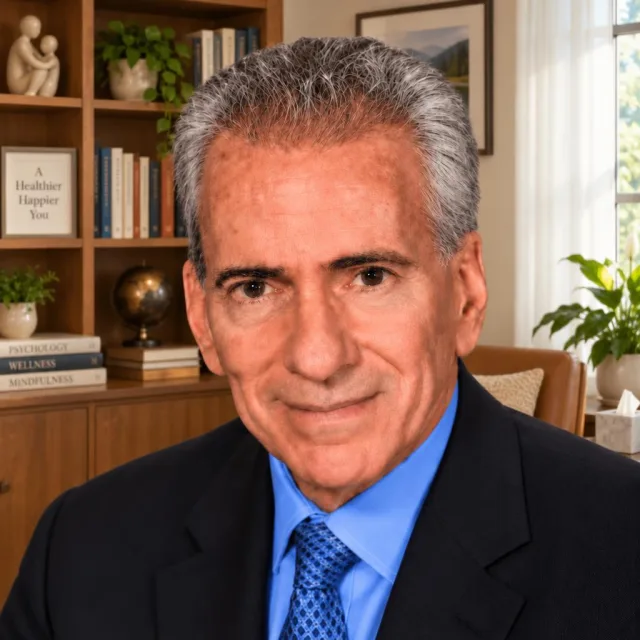
by Dr. David Gross | May 8, 2025 | ADHD , General Mental Health
Featuring Dr. David Gross, MD, DLFAPA of The Center for Treatment of Anxiety and Mood Disorders
ADHD is one of the most misunderstood and underdiagnosed mental health conditions—especially in adults. To help shed light on how ADHD shows up across the lifespan, how it’s diagnosed, and what treatment looks like, we sat down with Dr. David Gross, a board-certified psychiatrist, Medical Director at The Center for Treatment of Anxiety and Mood Disorders, and Co-founder of The Children’s Center for Psychiatry, Psychology, & Related Services in Delray Beach, Florida.
Dr. Gross: ADHD doesn’t always look the way people expect it to. In fact, many adults I treat say they didn’t realize they had ADHD until later in life. Looking back, they often describe struggling in school, needing to work harder than their peers just to stay on track.
Some common signs include:
Tendency to be easily distracted
Frequently losing things or forgetting appointments
Difficulty sitting still or relaxing
Interrupting conversations or activities
Seeking out adrenaline or high-stimulation environments
Playing the “class clown” to manage restlessness or boredom
Many adults with ADHD have never learned how to regulate attention because the signs were either missed or misinterpreted in childhood.
Dr. Gross: Surprisingly often, the discovery happens when someone brings their child in for an ADHD evaluation. As I describe the symptoms, a parent might say, “Wait—that sounds like me.”
Other adults are referred for an evaluation after struggling at work, receiving feedback about inappropriate behavior, or noticing persistent challenges with focus and organization. Family members, especially spouses, often play a key role in raising concerns. Once we start exploring it, the patterns become clear.
Dr. Gross : ADHD is typically classified into three presentations:
Predominantly Inattentive Type (formerly called ADD) – Disorganization, forgetfulness, distractibility
Predominantly Hyperactive-Impulsive Type – Fidgeting, restlessness, impulsivity
Combined Type – A mix of both inattentive and hyperactive symptoms
Many children present with the combined type, but as they get older, hyperactivity often decreases, while the inattentive symptoms can persist well into adulthood.
Dr. Gross: Yes—ADHD is highly heritable. If a child is diagnosed, there’s a strong chance that a parent or sibling may also have it. Genetics play a major role, though environment and early experiences also shape how symptoms show up and are managed.
Dr. Gross: We approach ADHD in adults and children with a comprehensive plan that often includes:
Medication (typically a stimulant, when appropriate)
Time management strategies
Organizational skill-building
Behavioral therapy or coaching to support daily functioning
Academic or workplace accommodations
As I often say, half the battle is managing time and staying organized—that’s where treatment really makes a difference in quality of life.
Dr. Gross: One of the biggest misconceptions is that stimulants work by increasing energy—that’s not really the case. Psychostimulants help improve attention, concentration, and reduce distractibility, which is why people see improvements in task completion and focus.
Used responsibly and under medical supervision, they’re safe and effective for many individuals with ADHD.
Dr. Gross : In part, it’s due to greater awareness and diagnosis, especially in adults who were previously overlooked. But there’s also a growing trend of people using stimulants to improve academic or professional performance, even without a diagnosis—similar to how some use steroids in sports. That’s a concern and underscores the importance of accurate diagnosis and ethical prescribing.
Dr. Gross: Not necessarily. Some kids “grow out of” ADHD, particularly the hyperactive component. But for many, especially those with the inattentive or combined types, symptoms can persist in adulthood. The good news is that early treatment gives kids the tools to manage symptoms more effectively over time.
Dr. Gross: Yes. Individuals with a formal ADHD diagnosis can often request accommodations for standardized exams like the LSAT, GRE, or even the Bar Exam. These may include extended time, breaks, or a distraction-reduced setting. Documentation and neuropsychological testing are usually required, but it’s an important support for those who need it.
Dr. Gross: ADHD is more than just being “distracted” or “hyper.” It’s a neurodevelopmental condition that affects how people engage with the world, form relationships, and manage daily life. When properly identified and treated, people with ADHD can thrive. I always encourage anyone who’s curious—or struggling with focus, organization, or restlessness—to talk to a professional. Getting clarity is often the first step toward lasting change.
Need support or an ADHD evaluation? Contact us today to start your journey toward healing in a welcoming, supportive environment.